
Plenary Lectures
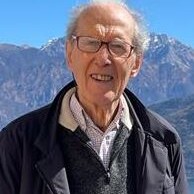
Prof Paolo Mocarelli
Graduated in Medicine at the University of Milan, Milan, Italy in 1960.
Director of the University Department of Laboratory Medicine of Desio Hospital in Desio
(MI), Italy from 1973 to 2007.
Director of the School of Specialization in Clinical Biochemistry and of the School for
Biomedical Laboratory Technology from 2000-2007.
Retired as Full Professor of Clinical Biochemistry at the “Università degli Studi di Milano-
Bicocca” School of Medicine on November 2, 2007.
Scientific Director of the “IRCCS Fondazione don Carlo Gnocchi” from 2010 to 2017.
Coordinator of the Clinical Laboratory Projects “For monitoring health of the population of the Seveso area”, since the accidental dioxin pollution in 1976.
Dr. Mocarelli has been visiting professor for one year at the Wistar Institute, Philadelphia, USA and for four months at the New York University Medical School.
He has been collaborating in research on the effects of dioxin on humans with Institutions such as Centers for Disease Control and Prevention (Atlanta, USA), Dept of Public Health of the University of California at Berkeley, NIESH (USA), Finnish NIH, Helsinki (FL), Karolinska Institute (Sweden) and others.
Dr. Mocarelli has been key speaker in more than thirty Congresses and plenary speaker in five Congresses opening sessions.
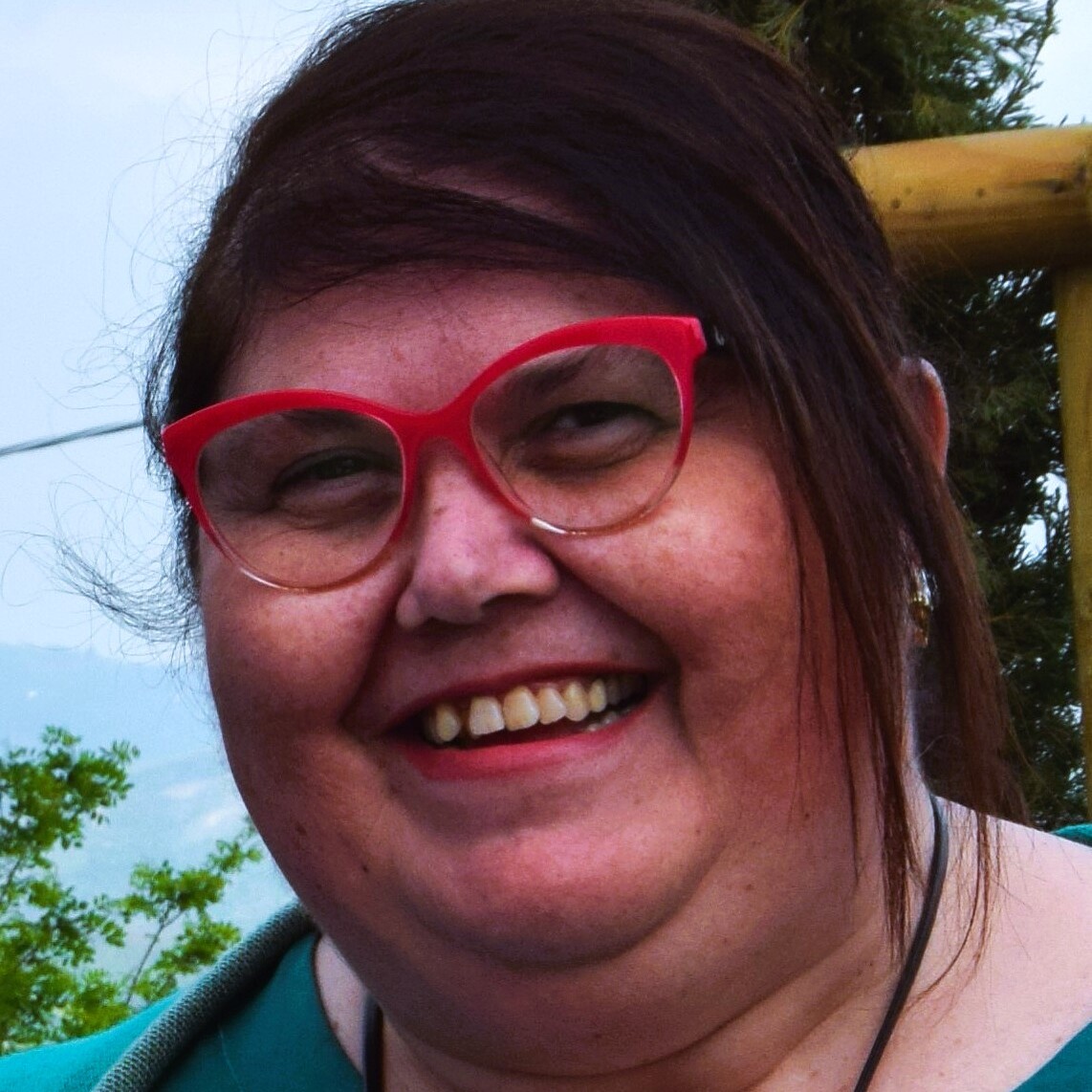
Dr Fabiana Corami
Dr Fabiana Corami is a researcher at the Institute of Polar Sciences of the National Research Council of Italy (CNR-ISP), Venice. Her work focuses on developing methods for characterizing microplastics and other microlitter components across a wide range of environmental matrices, including biota, marine waters and sediments, atmospheric aerosols, permafrost, and snow, in both polar and mid-latitude regions. Her research addresses the sources, pathways, and fate of microplastics and other emerging pollutants, with particular attention to their environmental and human health implications. She is the author of more than fifty peer-reviewed scientific publications and has participated in over sixty national and international conferences, including as a keynote speaker and an invited speaker. She serves as a representative on the Italian Arctic Table for Arctic research and is a member of the board of the Venetian District for Research and Innovation as a representative of the National Research Council. She is also actively engaged in science communication, environmental education, and interdisciplinary outreach initiatives, and is the author of two books devoted to microplastics and their environmental impact.
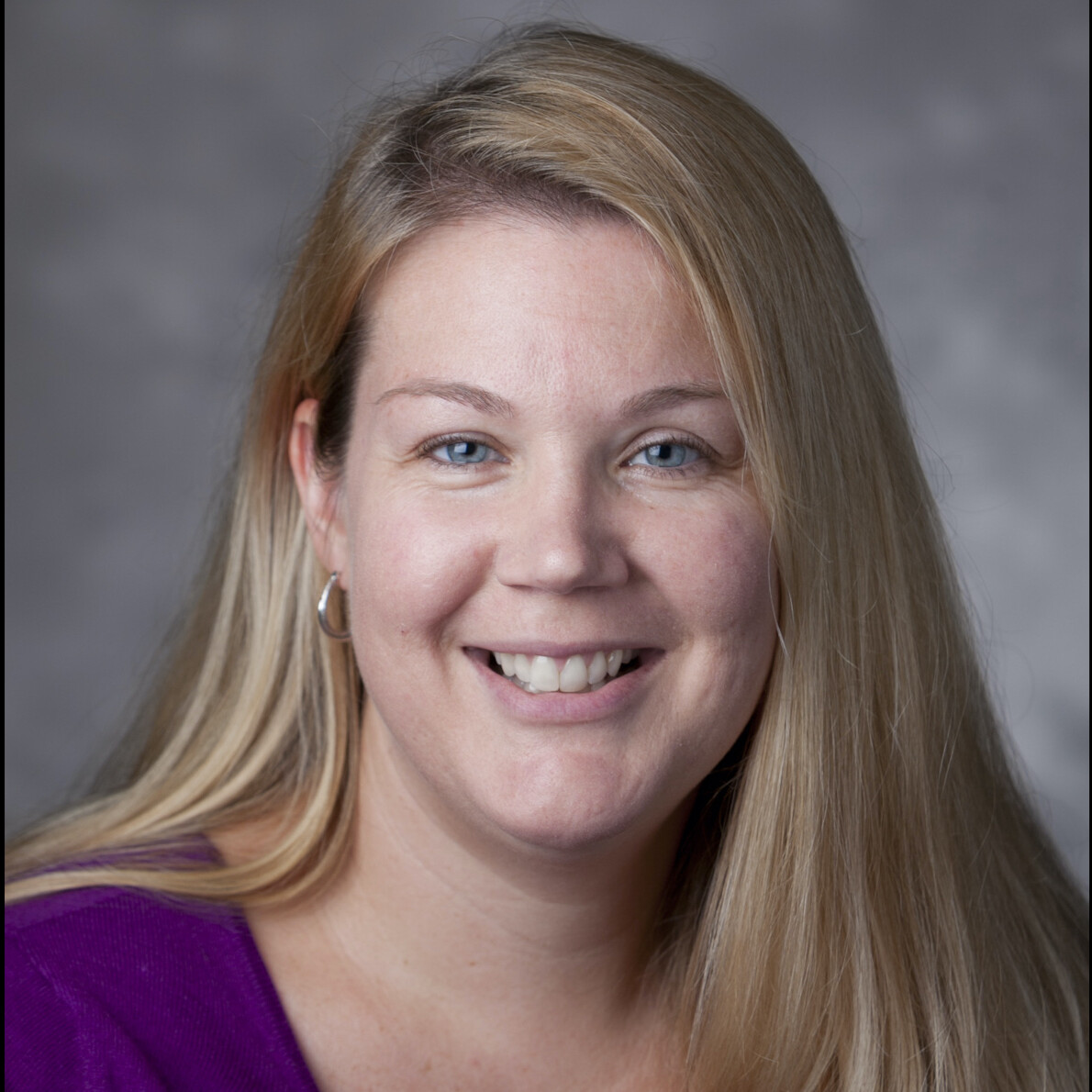
Prof Heather Stapleton
Prof Heather M. Stapleton, Ronie-Richelle Garcia-Johnson Distinguished Professor, Nicholas School of the Environment, Duke University, Durham, NC USA.
Professor Heather Stapleton is an environmental analytical chemist and exposure scientist in the Nicholas School of the Environment at Duke University. Her research interests focus on identification of halogenated and organophosphate chemicals in building materials, furnishings and consumer products, and estimation of human exposure, particularly in vulnerable populations such as pregnant women, children and firefighters. Her laboratory specializes in the analysis of wearable passive samplers, and specifically silicone wristbands, to advance exposure and environmental health research. In addition, her laboratory supports analysis of biological samples for organic contaminants to support environmental health research, with an emphasis on thyroid disease and cancer. Currently she serves as the Director for the Duke University Superfund Research Center, and Director of the North Carolina Firefighter Cancer Cohort Study.
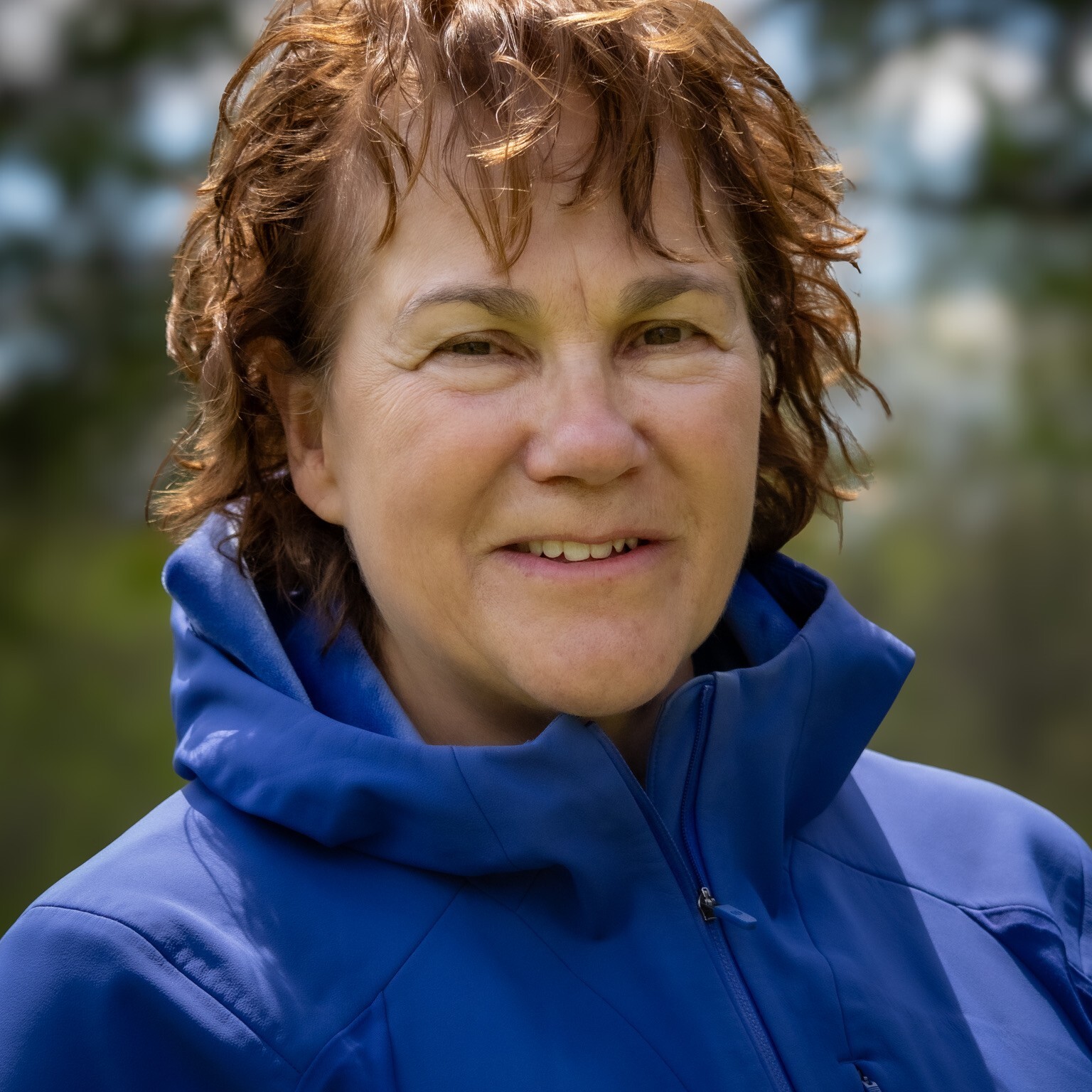
Dr Kim Fernie
Wildlife Ecotoxicology, Past & Emerging Contaminants, and the UN Stockholm Convention on Persistent Organic Pollutants
Now a senior research scientist, Dr Kim Fernie’s ecotoxicology research program at Environment & Climate Change Canada (2000 – 2026) has characterized and increased our understanding of the exposure and potential effects of federal- and international-priority organohalogens and other environmental stressors to wild birds. With her team of graduate students, post-docs, and collaborators, she has used a complementary approach of controlled/lab-based studies and field research to address largely in vivo toxicity to wildlife following their exposure to legacy, replacement and emerging contaminants, from PCBs to flame retardants, chlorinated alkanes, and polyaromatic hydrocarbons to poly- and per-fluorinated alkylated substances. Her controlled studies with American kestrels identified physiological, behavioural and reproductive changes resulting from concentrations measured in wild bird eggs of PCBs, PBDEs, HBCD, TBECH, organophosphate flame retardants and chlorinated alkanes. Her research with peregrine falcons across the Canadian Great Lakes Basin provided evidence that chemical pollutants like these and other FRs, alkanes, and PFAS, could also modify the endocrine system and physiology of these apex predators of terrestrial food webs. Dr. Fernie’s research with apex Arctic seabirds in Hudson Bay, and mid-trophic tree swallows in heavily populated southern Ontario or in Canada’s Athabasca Oil Sands Region, has developed understanding of the interactions and subsequent effects of chemical pollutants, climate change, and other environmental and ecological stressors, to wild birds in marine and freshwater-terrestrial ecosystems. Dr. Fernie has contributed to the Stockholm Convention as an invited Government Observer (HBCD), and supported Canada’s lead in nominating and listing of long-chain perfluorinated carboxylic acids under the Convention. She has further contributed to the Arctic Council’s Arctic Monitoring & Assessment Programme (AMAP), and to the Canadian federal Chemicals Management Plan and Integrated Chemical Mixtures Program. Dr. Fernie previously served on the Board of Directors and Executive Committee for the Society of Environmental Toxicology and Chemistry (SETAC) of North America (2013 – 2016), and she has been an adjunct professor at McGill University (Montreal, Canada) since 2006, and at McMaster University (Hamilton, Canada) since 2023.
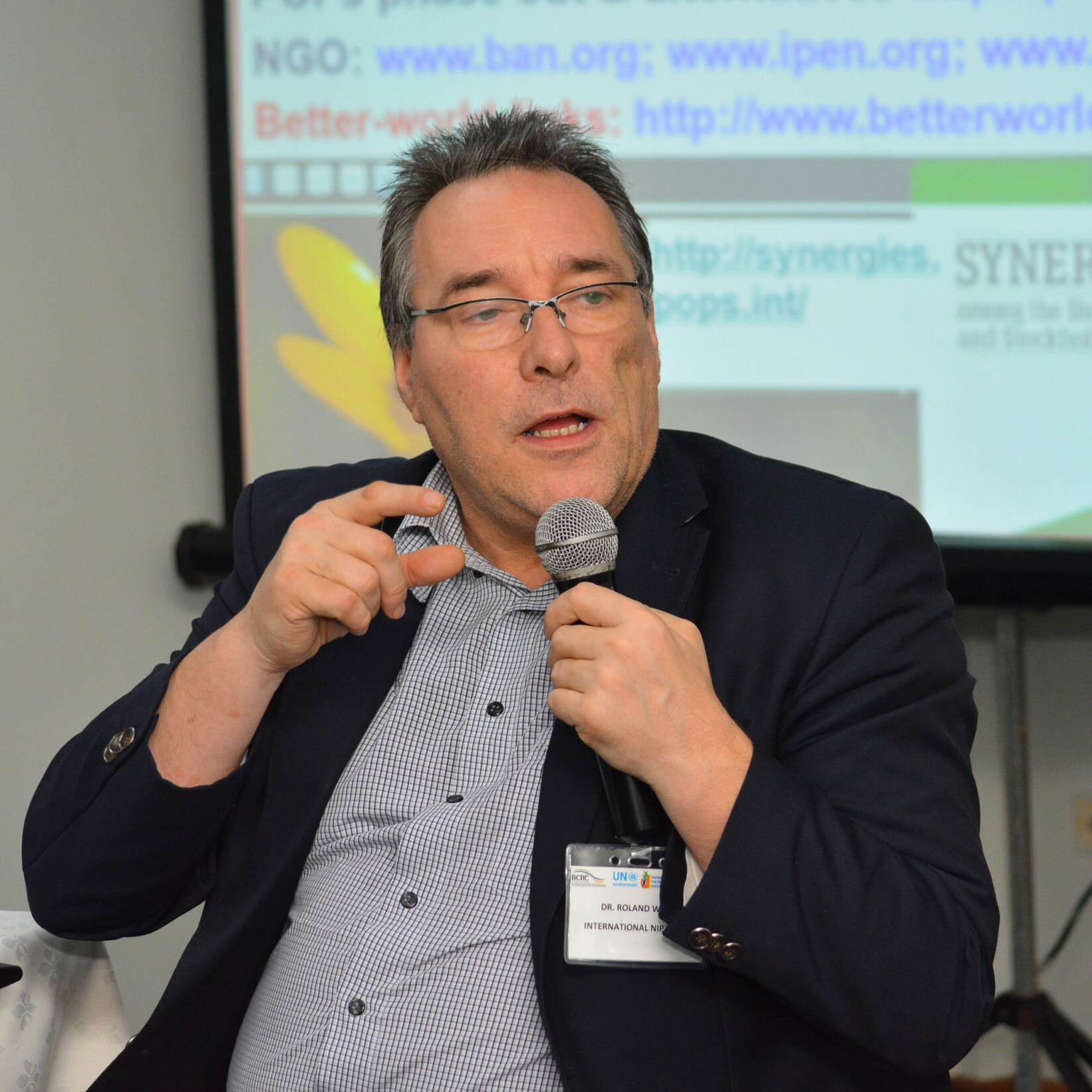
Dr Roland Weber
Dr Roland Weber has over 30 years’ experience researching persistent organic pollutants (POPs). He obtained his diploma in chemistry (1993) and his PhD (1996) from Tübingen University. From 1997 to 2002, he led a POPs research laboratory in industry (IHI Co. Ltd., Japan) focusing on controlling dioxin in waste incineration and other thermal waste treatment processes, as well as destroying POPs. Since 2003, he has worked as an international consultant for various organisations, including UNEP, UNIDO and UNDP, as well as environmental ministries. In this role, he has supported the implementation of the Stockholm Convention on POPs in more than 40 countries. He is a member of the UNEP Dioxin Toolkit and BAT/BEP group since 2007. He has developed a number of guidance documents to support the implementation of the Stockholm Convention for the Secretariat of the Basel, Rotterdam and Stockholm Conventions. In recent years, he has also worked on chemicals in plastics, coordinating the UNEP report ‘Chemicals in Plastics: A Technical Report’. He has published 200 papers in scientific journals with an h-index of 59 and received over 17,000 citations (Google Scholar).